Hey, remember film photography?
It used to be called “photography.”
In fact, if you call it “film photography,” it’s likely that you are a photographer who talks about it enough that you have to distinguish. Digital photography is now just called “photography.”
Now that film photography has turned into a time machine, few people younger than 40 understand the commitment of a roll of film.
While these sound like the opening statements of an old man left at a forgotten station while the train of time rolls on, I think it’s all pretty great.
Sure, there are drawbacks to the flooding of servers in unknown locations, aka “the cloud,” but the fact that every little kid grows up taking pictures as often and easily as we used to throw rocks is pretty cool.
In fact, some of those kids get bored with the thousands of pictures they take by the time they are teenagers and actually get interested in the time machine of “film photography.” They are buying film cameras from the 90s—that we would have called cutting edge—because they’re cheap and available. They’re okay spending $5 for a roll of film, and $20 to mail it and get it developed, because they have discovered the exact type of film that produces a look they like, a look that I would call nostalgic, but they call vintage. Or old.
While these few get it, most others their age don’t know that when you shoot film, you have to commit to several things:
- 24 or 36 exposures
- Waiting weeks to get the pictures back
- Color or Black and White
I like that these commitments exist in a new way now. The time factor wasn’t around when drug stores and Wal-Marts developed overnight. But now that everything has to be sent off to a specialty lab, it’s an added level of commitment.
But my favorite commitment is color vs black & white. Very few film photographs on Instagram are black & white, because the color films are different enough from modern iPhone pics that they are interesting.
In the old days, we considered black & white to be vintage. Or old. But now, black & white has lost its appeal, at least on social media. A notable exception here is the work of Alan Schaffer, who has become a bit of a photography rock star for his black & white images. The “old” pictures that are still around in picture frames or photo albums are not black & white, they’re Kodak. Black & whites belong in museums.
What is interesting is that even in this context, there are digital cameras being produced and sold that only shoot black & white.
Sounds odd at first blush, right? What kind of weirdo limits themselves to black & white when any digital camera can do both?
This’n.
I got one because I have never understood black & white photography. I mean, obviously I understood the difference. I just didn’t understand why some pictures are good in black & white and some are good in color.
My first thoughts, after picking photography back up in 2019, were that if the colors weren’t pretty, then edit it into black & white. If the sun is too bright, too high in the sky, it washes out the color of the image. So just switch those to black & white in the editor and see if they work. It was my format of last resort. More often than not, the image just didn’t “work” in either color or BnW, so it got tossed.
Sometimes the only way to learn something is to learn it.
I started shooting a few images with the “monochrome” mode of my primary camera. It made some interesting shots.
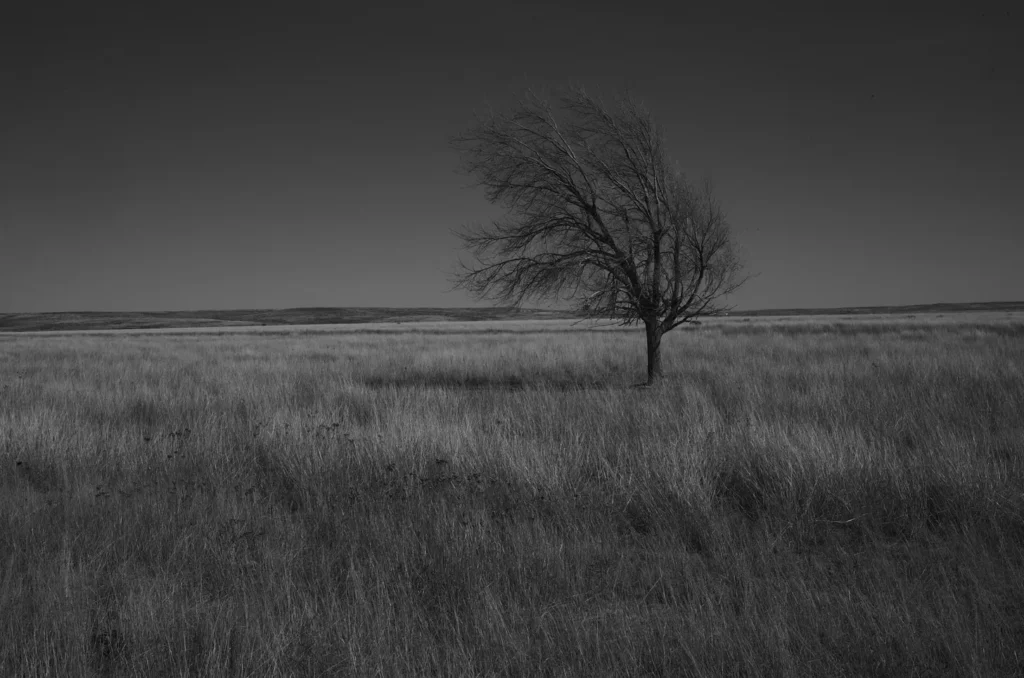
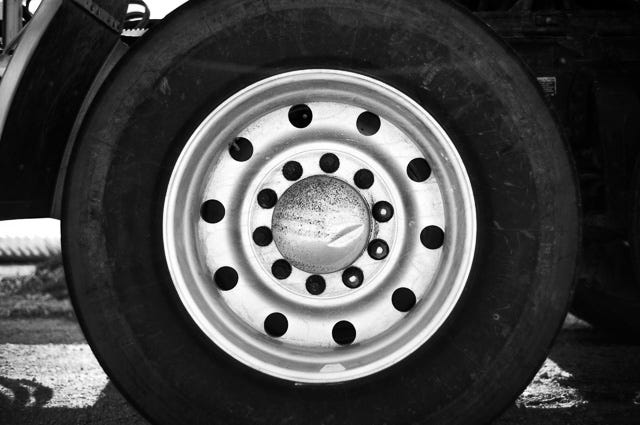
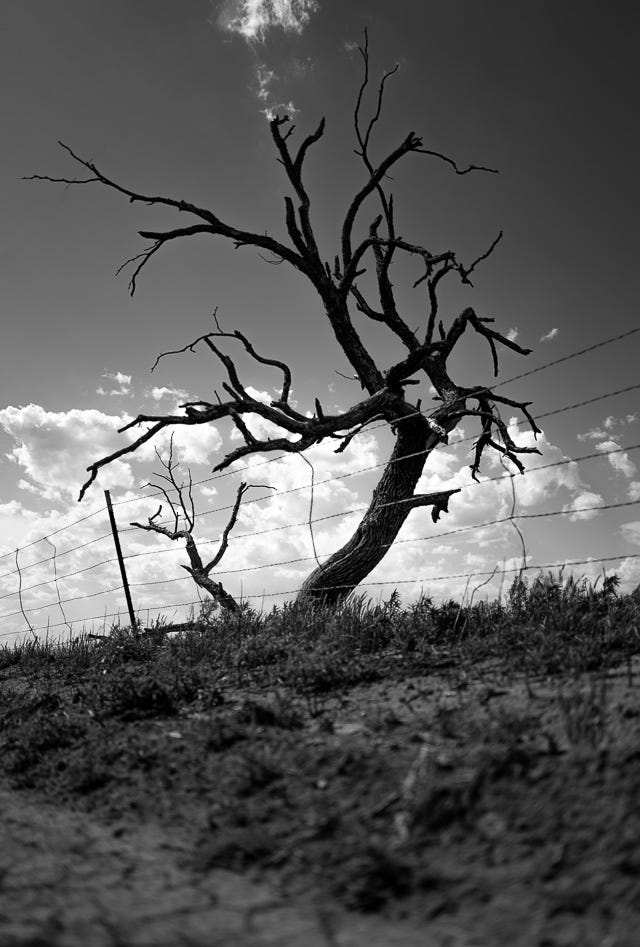
But even when the shots were interesting, they were just edits, versions of the original. I always felt like black & white was a lesser version of the original. Derivative. But I heard and saw photographers I respected talk about it in a way that implied they saw something I did not.
I tend to get obsessive about new ideas, and this one started to really dig in. What, really, is black & white? What am I missing?
So, I bit the bullet. I got one of the “monochrome” versions of a favorite brand of mine. And then I just shot it for a while.
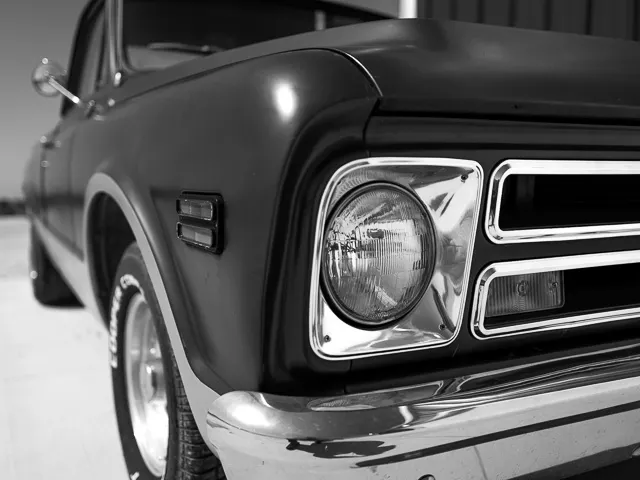
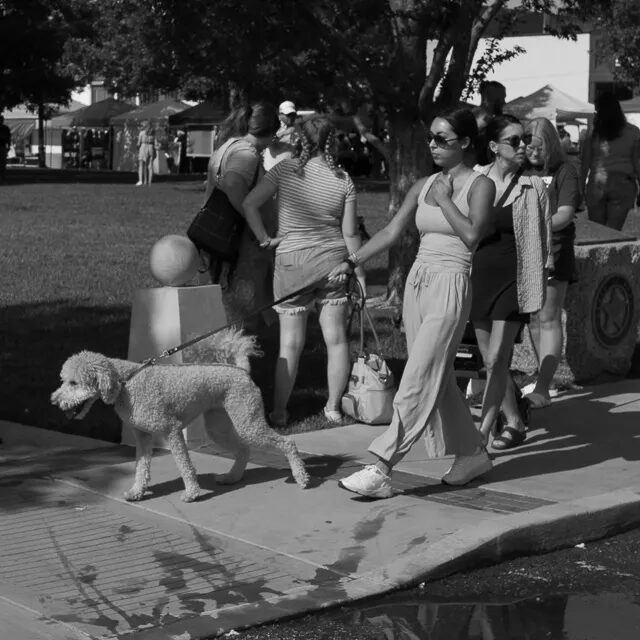

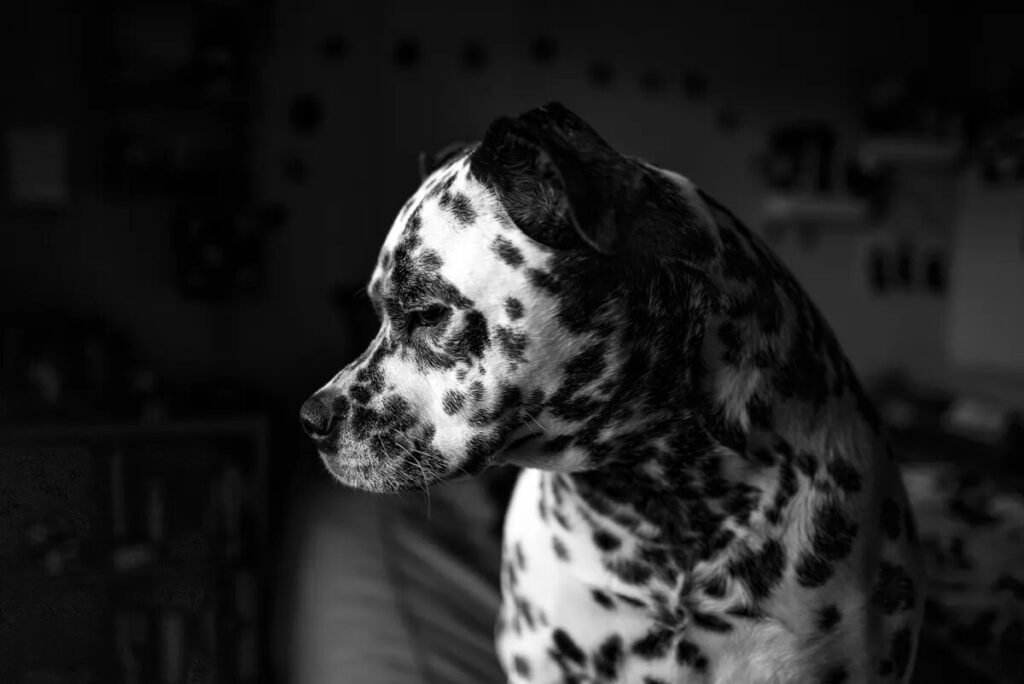
I remembered a line I’d heard in the past: color photography captures the image, black & white captures the soul.
But what if you’re still in the pre-portrait phase of photography, like I am? Eager to avoid the emotions and judgments of people when they see their own face? I usually only shoot people—and dogs—as they are passing by, not posing, except of course for black & white dogs who live in my house. But usually, I stick to things and places.
So, what could be unique about landscape photography in black & white?
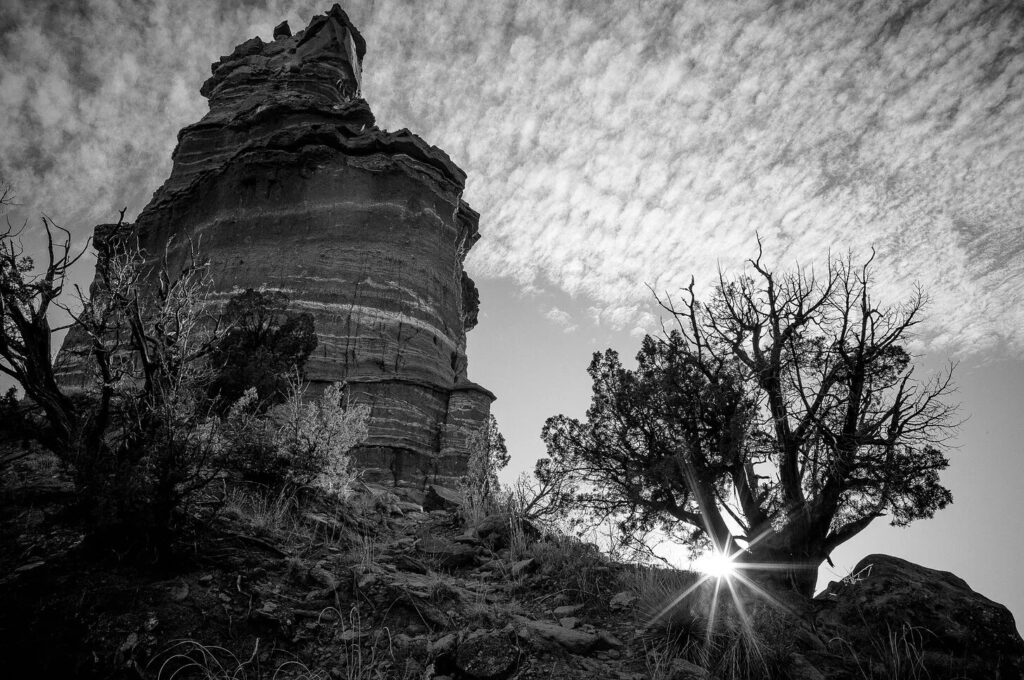
Do the strata of Palo Duro Canyon have a soul?

They certainly exist more prominently in black and white. In color, the bleached layers get lost in the rust. But in monochrome, they have their own life.
And it’s not because they are the white and everything else is the black. The more pictures I took, the more I realized that in the black & white pictures I liked the most, there is neither true black nor true white. The shades between are what make the image.
The soul exists in the continuum of the gray.
It was at this time that, in my non-photography life, I reached a point of frustration, based on a single idea—that my time was being spent in ways that benefitted others more than myself. And I was ready for that to change.
I tend to get obsessive about new ideas.
In this case it involved the decision to make wholesale changes, put an end to the things that put me where I was. Stop it all, in fact. Change in every way imaginable. If I was unhappy with one thing, I should change everything.
In psychological parlance this is called—wait for it—black and white thinking.
This is the trap we fall into when we see one failure as an indictment on all areas of our lives. One work mistake makes all work terrible. One personal shortcoming makes me worthless. One unkind word makes that person terrible.
It is easier to think this way. It requires less effort to see beyond the obvious or the one-time event and really maintain curiosity and openness. If we can just assign value to everything and everyone once, it makes life a lot more simple.
But of course, this is a terrifying measure for others to use on us. All-or-nothing thinking is not how the world works, and it robs us of deeper, more meaningful opportunities for experience, growth, and relationships. The conflict between you two might be terrible. But the resolution of it might be wonderful to a level you did not know existed.
The harm done is unthinkable. But the strength built from working through the harm is life-changing for you and life-giving for others.
The black and the white are there, but they are traps. If you stay there, you miss so much. The soul of it all exists in the continuum.
Each day, among the many courage-summoning mantras I utter to myself, I’ve added this one: Where will I find the gray today?
Instead of limiting people and circumstances to good or bad, helpful or harmful, right or wrong, how can I be open to the many possible connections that open up all around me? What experiences, lessons, creative thoughts could I receive by looking instead of labeling? What can I see today?
There is infinite potential between the black and the white.